
Reduce administrative workload, improve patient communication, and streamline clinic operations with trained medical virtual assistants supporting practices across the United States and Australia.


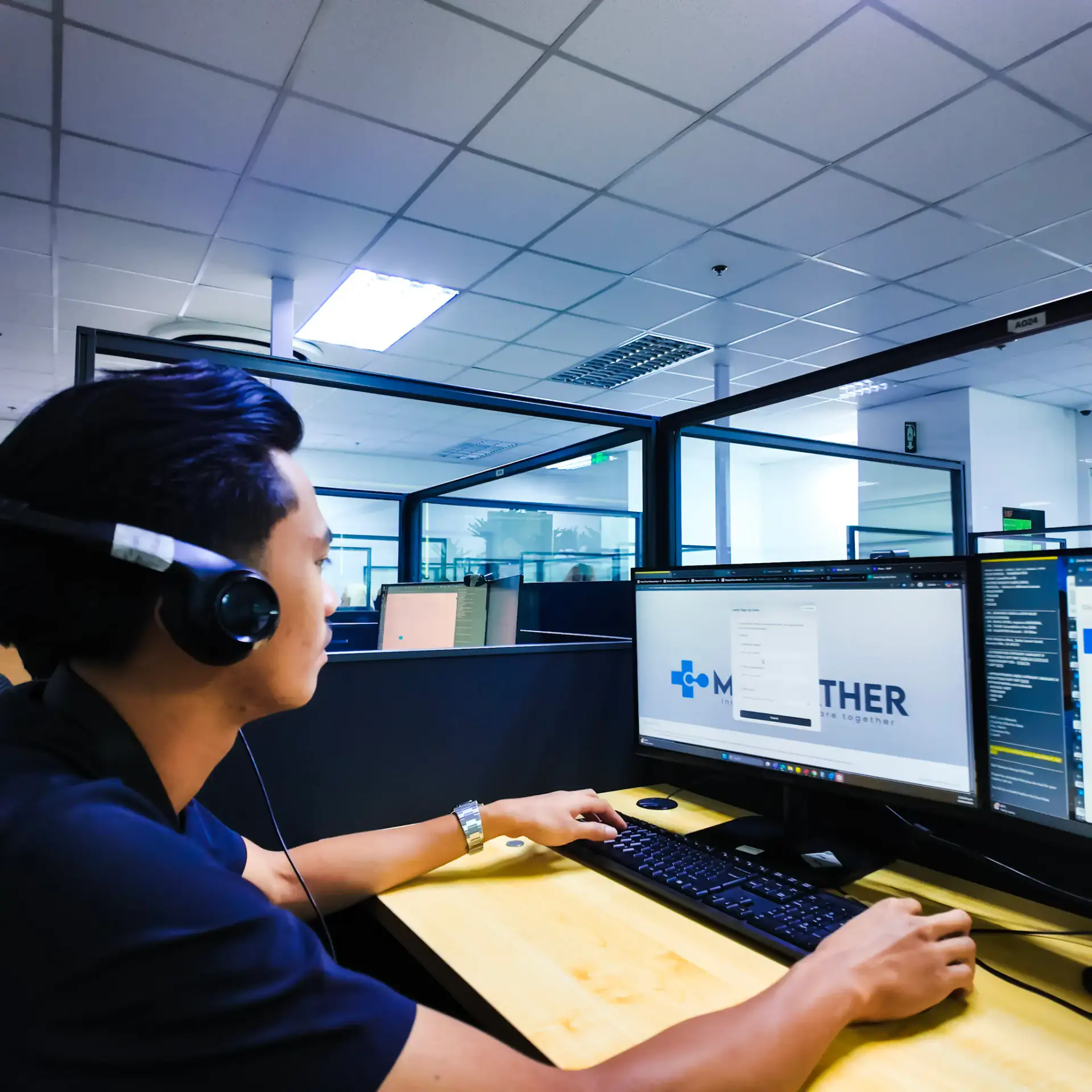
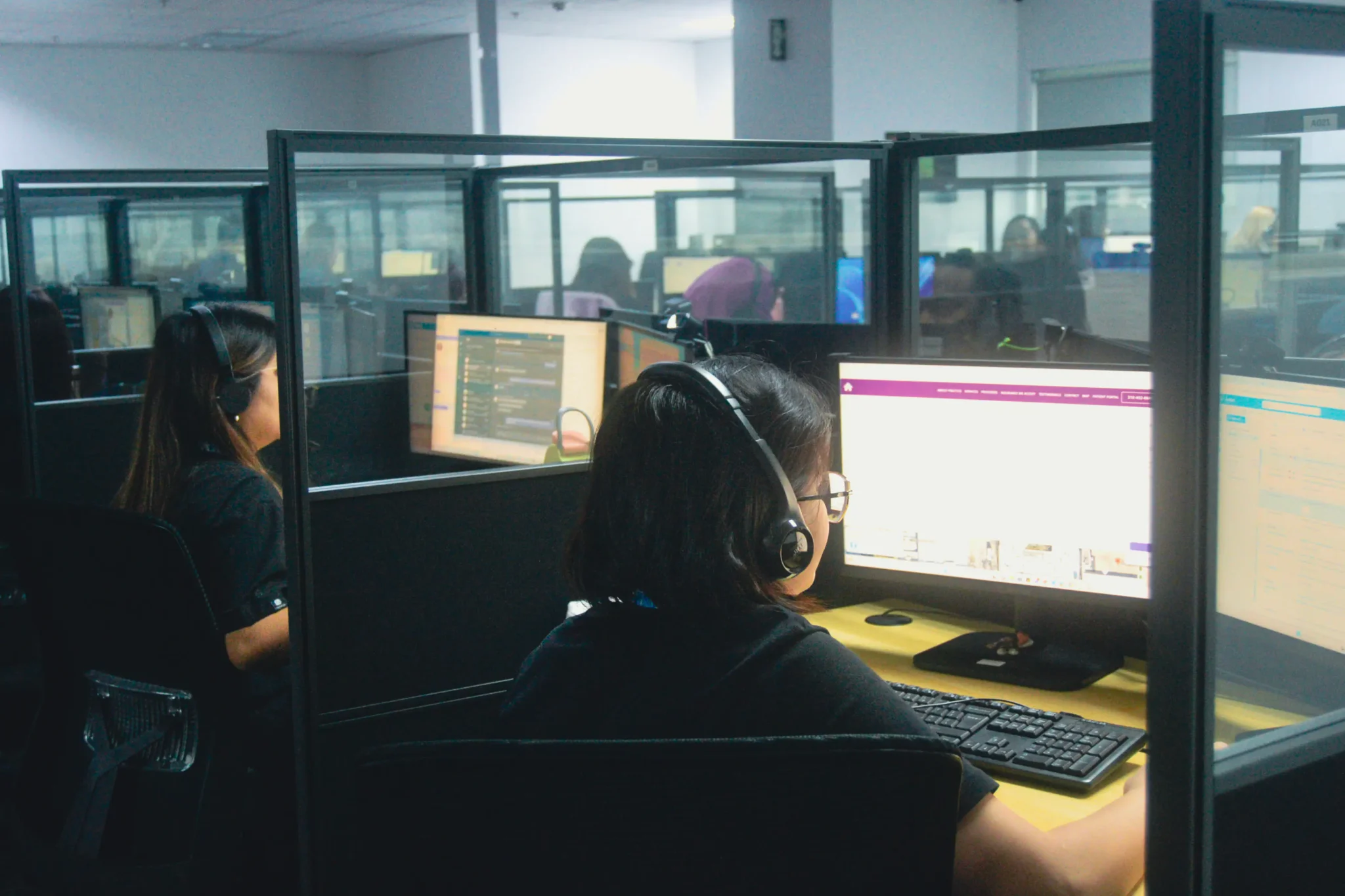
A medical virtual assistant (MVA) is a remote professional trained to support healthcare practices with administrative and operational tasks. These assistants work remotely while integrating seamlessly into your clinic’s daily workflow.
Medical virtual assistants cut admin work for practices. This helps doctors, nurses, and staff focus on patient care.
Because MVAs work remotely, clinics can get skilled admin support without the cost of hiring more in-house staff.
Healthcare practices face increasing operational pressures.
Administrative tasks consume significant staff time, while staffing shortages and rising costs make it difficult to expand internal teams.
Medical virtual assistants help solve these challenges.
Many physicians spend hours each week on non-clinical tasks. A virtual assistant can handle routine administrative responsibilities, freeing healthcare professionals to focus on patients.
Virtual assistants can manage patient inquiries, appointment reminders, and follow-ups, helping clinics maintain strong patient relationships.
A well-integrated virtual assistant improves workflow efficiency across scheduling, communication, and documentation.
Hiring a remote assistant is often more cost-effective than expanding an in-house administrative team.
Practices can scale administrative support as their patient load grows.
Medical virtual assistants support a wide range of administrative tasks across healthcare practices.
Managing appointments is one of the most time-consuming responsibilities for clinic staff. A virtual assistant can handle scheduling, rescheduling, and appointment reminders.
Virtual assistants can manage incoming patient inquiries via phone, email, and messaging systems.
They can also coordinate follow-ups and address patient concerns promptly.
Administrative documentation tasks can consume valuable staff time. Virtual assistants assist with updating patient records, organizing documents, and supporting documentation workflows.
Some medical virtual assistants assist with administrative aspects of billing workflows, including documentation preparation and claim coordination.
Virtual assistants can manage email inboxes, administrative requests, and routine operational tasks.

Medical virtual assistants help small to mid-sized healthcare practices.
They provide operational support without adding more in-house staff.
Practices in both the United States and Australia are increasingly adopting remote administrative support to improve operational efficiency.
Healthcare practices must protect patient information and follow strict privacy and data protection standards.
Medical virtual assistants supporting healthcare organizations must operate within secure workflows designed to protect sensitive information.
These safeguards help ensure that administrative support can be provided responsibly while maintaining strong privacy standards.
Many practices compare virtual assistants with hiring additional in-house administrative staff.
While both options provide operational support, virtual assistants offer several advantages.
For many practices, virtual assistants complement existing teams and help manage increasing administrative demands.

A virtual assistant can help stabilize operations while maintaining service quality.
MedGather connects healthcare practices with trained medical virtual assistants who support administrative workflows.

This allows healthcare organizations to expand operational capacity while maintaining efficient clinic workflows.
Virtual assistants supporting healthcare practices typically receive training related to administrative healthcare workflows.
When implemented responsibly with secure systems and access controls, remote administrative support can operate within strong privacy standards.
Administrative documentation tasks can take significant time away from healthcare providers. Virtual assistants may assist with organizing patient records, updating administrative information, supporting documentation workflows, and managing document organization systems. This helps keep records accurate and organized.
Learn how a medical virtual assistant can support your healthcare practice.