Why the “Medical Virtual Assistant” is the 2025 Staffing Standard
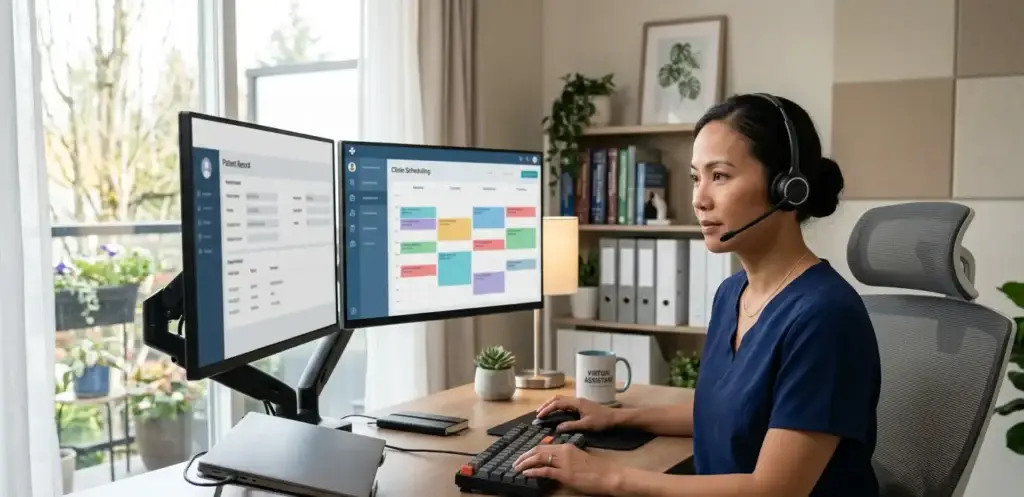
Medical practices today face a convergence of labor shortages, rising costs, and stringent compliance demands. The Medical Virtual Assistant (MVA) has emerged as a strategic solution, not just a cost-saving measure. These are not generic freelancers. They are trained clinical professionals who operate within Electronic Health Record (EHR) systems and understand the nuances of HIPAA compliance.
MVAs lower overhead, scale rapidly, and integrate into key functions such as billing, patient coordination, and documentation. Many come from skilled labor markets like the Philippines, bringing both clinical literacy and English proficiency to the role.
Why the “Medical Virtual Assistant” is the 2025 Staffing Standard

The Medical Billing Virtual Assistant (Revenue Cycle Protection)
Revenue Cycle Management is critical to a practice’s financial health. Medical Billing Virtual Assistants manage insurance verification, claims scrubbing, and AR follow-up to prevent denials and delayed payments.
Practices that outsource billing report lower administrative burden and more predictable cash flow. This operational shift allows physicians to focus on care while the billing engine runs smoothly.
The Virtual Medical Scribe (Ending Physician Burnout)
Doctors now spend nearly two hours on documentation for every hour spent with patients. Virtual Medical Scribes reduce this burden by entering information directly into the EHR in real time.
This role not only boosts efficiency but also improves provider satisfaction. Unlike transcriptionists, scribes work during the patient encounter, capturing details that improve clinical accuracy and enable higher throughput.
The Virtual Care Coordinator (RPM and Chronic Care)
Remote Patient Monitoring (RPM) and Chronic Care Management (CCM) programs offer new revenue streams but require consistent data tracking and follow-up. Virtual Care Coordinators manage this process by monitoring patient data, ensuring medication adherence, and coordinating virtual check-ins.
These roles are central to value-based care delivery and essential to capturing reimbursable CPT codes.
The Prior Authorization Specialist (Removing Friction)
Prior Authorizations are among the most frustrating administrative tasks in healthcare. Dedicated specialists in this role manage submissions, track approvals, and reduce bottlenecks in care delivery.
Practices using virtual specialists have reported approvals up to 25 percent faster, improving both patient satisfaction and operational flow.
The Hidden Vulnerabilities of Remote Healthcare Staffing
The remote work model has introduced multiple vulnerabilities into healthcare operations:
- Unsecured Wi-Fi:
Staff accessing ePHI from home networks expose data to interception. Using a Virtual Private Network (VPN) is essential for encrypted access. - Unsecured Messaging Apps:
Apps like WhatsApp are not HIPAA-compliant because they lack Business Associate Agreements, access controls, and audit logs. - Credential Theft:
The Change Healthcare breach, which exposed data of 190 million individuals, was caused by missing Multi-Factor Authentication on a remote server.
Why Facility-Based Remote Staffing Is the Future
Many agencies rely on home-based virtual assistants. This model introduces risks including shared devices, personal Wi-Fi, and lack of oversight. It also makes regulatory compliance harder to enforce.
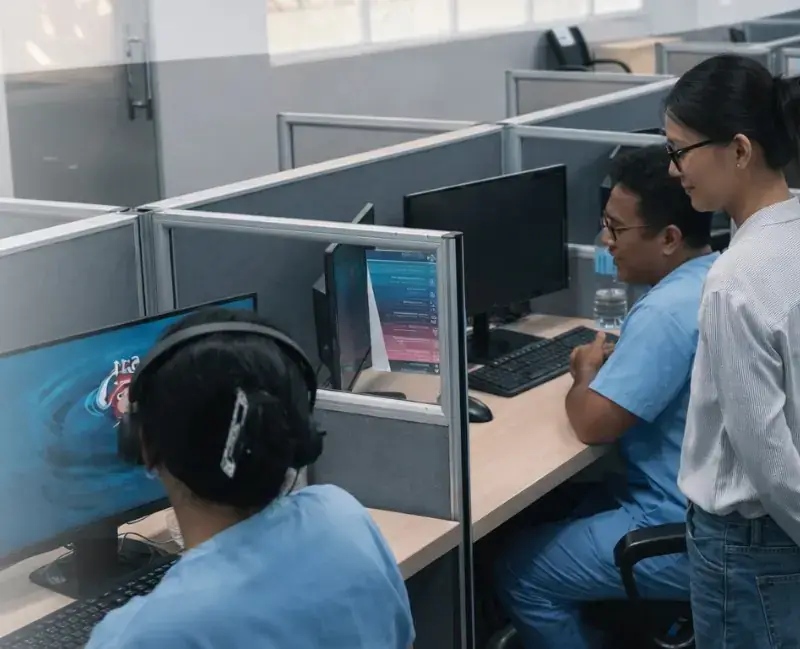
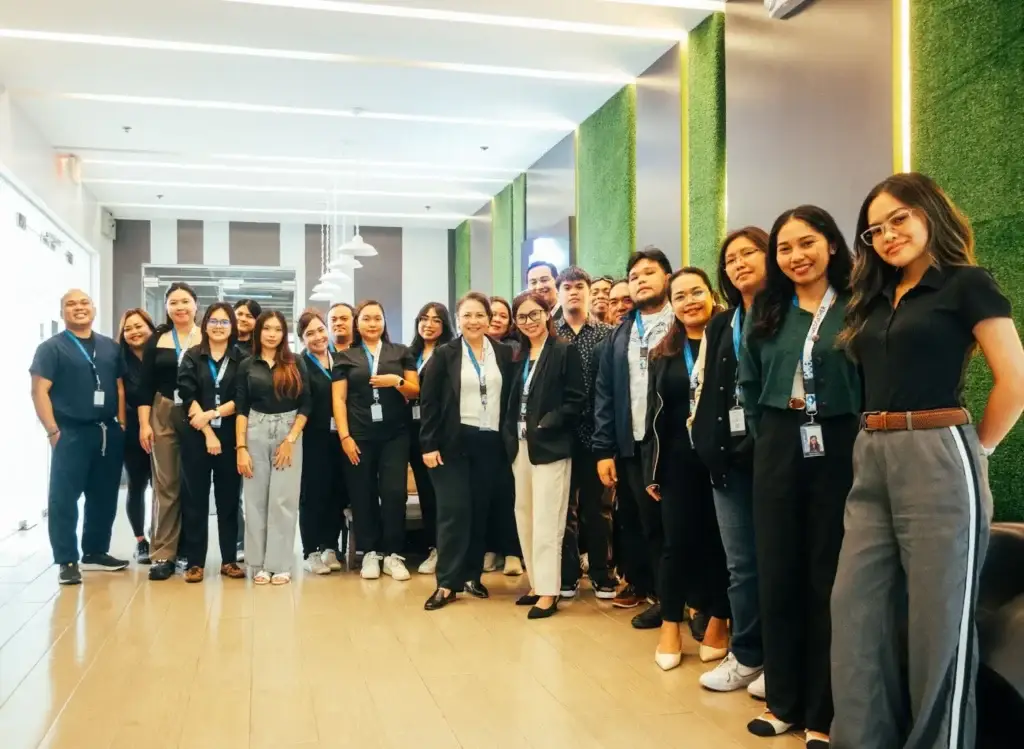
MedGather uses a “Remote Medical Office” model. Staff work from secure, physical facilities equipped with:
- Enterprise-level firewalls
- Encrypted and IT-managed devices
- Real-time supervision and clinical oversight
This approach eliminates shadow IT and ensures full HIPAA compliance at every touchpoint.
Security Is a Business Decision
Security is no longer just an IT issue. It is a business strategy. With 276 million patient records breached in 2024, choosing the right virtual assistant model is a critical decision.
Avoid the false economy of hiring an unsupervised freelancer. Instead, build a compliant, secure extension of your office through professional Medical Virtual Assistant staffing.
The Hidden Risks of Remote Work (And How to Fix Them)
The remote work model has introduced multiple vulnerabilities into healthcare operations:
- Unsecured Wi-Fi.
Staff accessing ePHI from home networks expose data to interception. Using a Virtual Private Network (VPN) is essential for encrypted access.
- Unsecured Messaging Apps.
Apps like WhatsApp are not HIPAA-compliant because they lack Business Associate Agreements, access controls, and audit logs.
- Credential Theft.
The Change Healthcare breach, which exposed data of 190 million individuals, was caused by missing Multi-Factor Authentication on a remote server.
Home-Based vs. Office-Based: The MedGather Difference
Many agencies rely on home-based virtual assistants. This model introduces risks including shared devices, personal Wi-Fi, and lack of oversight. It also makes regulatory compliance harder to enforce.
MedGather uses a “Remote Medical Office” model. Staff work from secure, physical facilities equipped with:
- Enterprise-level firewalls
- Encrypted and IT-managed devices
- Real-time supervision and clinical oversight
This approach eliminates shadow IT and ensures full HIPAA compliance at every touchpoint.
A Checklist for Hiring a Secure Virtual Team
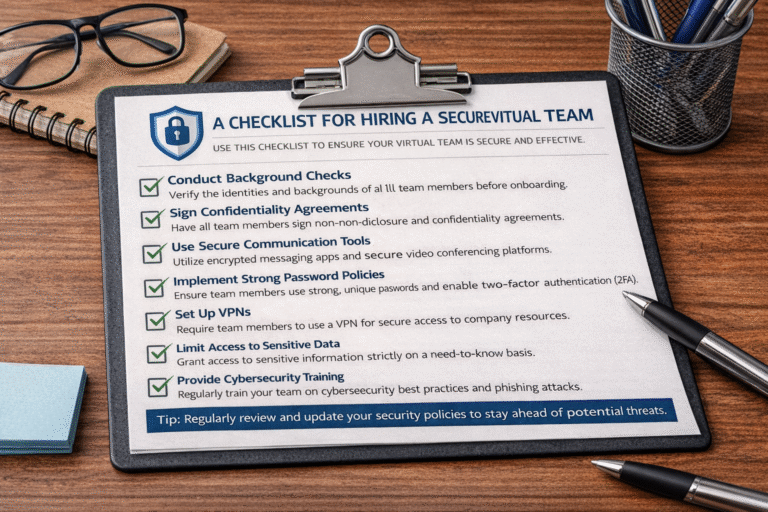
To protect your practice, verify that any virtual assistant provider:
- Signs a Business Associate Agreement (BAA)
- Enforces Multi-Factor Authentication (MFA)
- Provides clinical supervision and oversight
- Uses encrypted, IT-managed devices
A secure virtual assistant is not a luxury. It is a requirement for modern healthcare operations.
Compliance Is Your Competitive Advantage
Security is no longer just an IT issue. It is a business strategy. With 276 million patient records breached in 2024, choosing the right virtual assistant model is a critical decision.
Avoid the false economy of hiring an unsupervised freelancer. Instead, build a compliant, secure extension of your office through professional Medical Virtual Assistant staffing.